
Hail damage can significantly impact the integrity of your roof, leading to costly repairs if not addressed swiftly. When searching for a reliable hail repair roof repair company near Allen, TX, you need a team that understands the unique challenges posed by severe weather in the area. Choosing the right professionals ensures that your roof returns to optimal condition, protecting your home and investment. With expert craftsmanship and local knowledge, you can trust that your repair needs will be met efficiently and effectively.
Key Takeaways:
- Specialized in repairing roofs damaged by hail, ensuring quality materials and workmanship.
- Offers free inspections to assess storm damage and provide estimates.
- Works with insurance claims to facilitate the repair process for homeowners.
- Utilizes advanced technology for accurate damage assessment and repair solutions.
- Available for emergency repairs and fast turnaround times to mitigate further damage.
Understanding Hail Damage
When considering assessing hail damage on your roof, recognizing the signs early can save you from further complications and expenses. The remnants of a hailstorm can create various types of dents and punctures that are often overlooked until significant problems arise. Generally, you should inspect for small circular bruises or cracks, especially on your shingles, as these are signs that hail has impacted your roof. Additionally, pay close attention to your gutters and downspouts, as they can show evidence of having been hit, which may indicate broader roof issues.
Common Indicators of Hail Damage
Several indicators can alert you to potential hail damage. First, look for granules that have washed off your shingles and accumulated in your gutters or on your lawn. These granules protect your shingles from UV rays, and their loss can lead to faster deterioration. Next, inspect for any visible dings, bruises, or cracks on shingles, which can be particularly pronounced in asphalt roofs. If you notice any unusual wear, contacting professionals for a thorough evaluation is vital.
Effects of Hail on Roof Materials
The type of roofing material installed can heavily influence how your roof withstands hail impacts. Asphalt shingles are particularly vulnerable, often developing cracks and losing their protective granules, which can drastically shorten their lifespan. Metal roofs may dent under impact but generally fare better than asphalt. It’s important to evaluate the specific materials in your roofing system to understand potential damage and necessary repairs.
Beyond mere aesthetics, hail damage can compromise the long-term functionality of your roof. For instance, the loss of granules on asphalt shingles exposes the underlying materials to weather elements, leading to leaks and more severe structural issues over time. Similarly, metal roofs that sustain dents may develop rust in the affected areas, increasing maintenance costs and further deteriorating your investment. Understanding these effects is vital in prioritizing repairs and preventive measures to protect your home.
Importance of Timely Repairs
Tending to hail damage promptly is important to maintaining the structural integrity of your roof. Delaying repairs may result in minor issues evolving into significant problems, leading to leaks, mold growth, and water damage within your home. For instance, a small crack in your roof caused by hail can expand over time, allowing moisture to penetrate and create a cascade of additional complications, including rotting wood and compromised insulation, which can be costly to address.
Risks of Ignoring Hail Damage
Failing to act on hail damage can expose you to various risks that compromise the safety and comfort of your living space. For example, water entering your home can lead to hazardous mold infestations, posing health risks to you and your family. Additionally, many insurance policies stipulate that owners must maintain their property; neglecting timely repairs can lead to denied claims, leaving you to shoulder unexpected expenses.
Moreover, unresolved damage can decrease your property’s overall value. Potential buyers may be hesitant to invest in a home that shows visible signs of neglect, resulting in a lower appraisal and ultimately affecting your return on investment. By addressing hail damage swiftly, you can help safeguard both your family’s health and the long-term financial value of your property.
Benefits of Quick Roof Repair
Addressing hail damage rapidly comes with multiple advantages. Firstly, immediate repairs prevent further deterioration of your roof, allowing you to avoid escalating repair costs. Statistics reveal that homeowners who act within the first month after damage can save up to 30% on repair expenses compared to those who wait several months. Not only does this preserve your budget, but it also allows you to maintain a safe and comfortable home environment.
Additionally, prompt repairs can enhance your roof’s lifespan. Regular maintenance and swift responses to damage can add years to your roofing system, minimizing the need for premature replacements. By ensuring that your roof remains in top condition, you not only protect your investment but also enhance the curb appeal of your home, which can be crucial if you ever decide to sell.
Choosing a Roof Repair Company
Key Factors to Consider
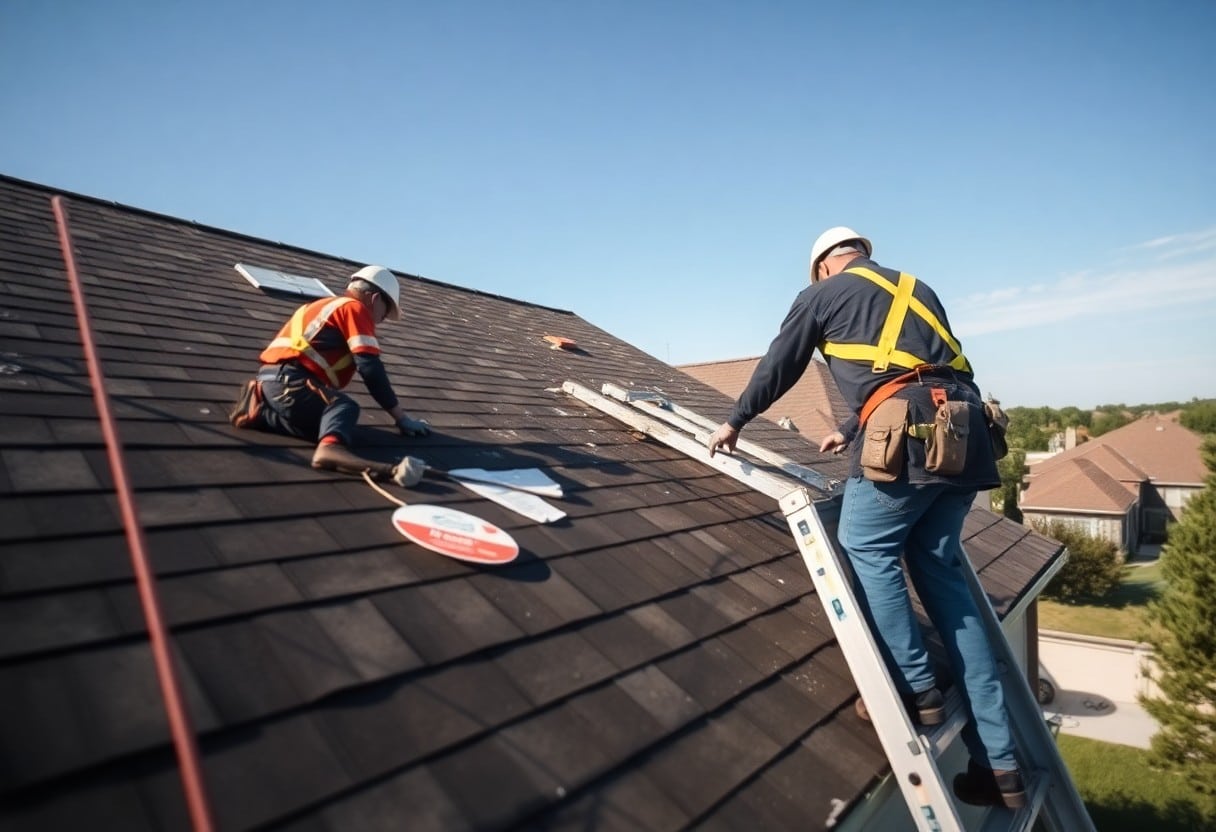
Selecting the right roof repair company is an important decision that directly impacts your home’s safety and longevity. Begin by evaluating the contractor’s experience in hail damage repairs, as well as their reputation in your local area. Look for established companies that have positive reviews and testimonials, showcasing their ability to handle similar repairs with efficiency and quality. Additionally, ensure the company is licensed, insured, and carries worker’s compensation to protect yourself from potential liabilities.
Another significant aspect is the materials the company plans to use for the repair. Different roofing materials offer varying levels of durability and aesthetics. Discuss options that best suit your needs and weather conditions in Allen, TX. Additionally, obtaining multiple estimates helps you gauge average costs and discover a fair price for the service. Knowing the right questions to ask potential contractors will make a substantial difference in your decision-making process.
- Experience with hail damage repairs
- Local reputation and reviews
- Licensing and insurance status
- Material options for your particular roof
- Warranty offered on repairs
Knowing the difference between reputable contractors and those who may compromise on quality is imperative for your peace of mind.
Questions to Ask Potential Contractors
When interviewing potential roof repair contractors, your goal should be to gather as much relevant information as possible. Start by asking how long they have been in business specifically repairing hail-damaged roofs. Experience can often translate to expertise, especially with the unique challenges posed by hail impacts. Furthermore, inquire about their approach to inspections and assessments. A responsible contractor will provide a transparent process and take the time to explain their findings and recommended solutions.
In addition to their experience, it’s wise to discuss the contractor’s warranty policies and the materials they use for repairs. Find out if there are additional costs that could arise, such as permit fees or unexpected repair needs once they start working on your roof. Clarifying these points upfront helps ensure you’re on the same page and avoids potential conflicts later. By asking these detailed questions, you position yourself to make a well-informed choice that suits your needs.
The Repair Process
Initial Inspection
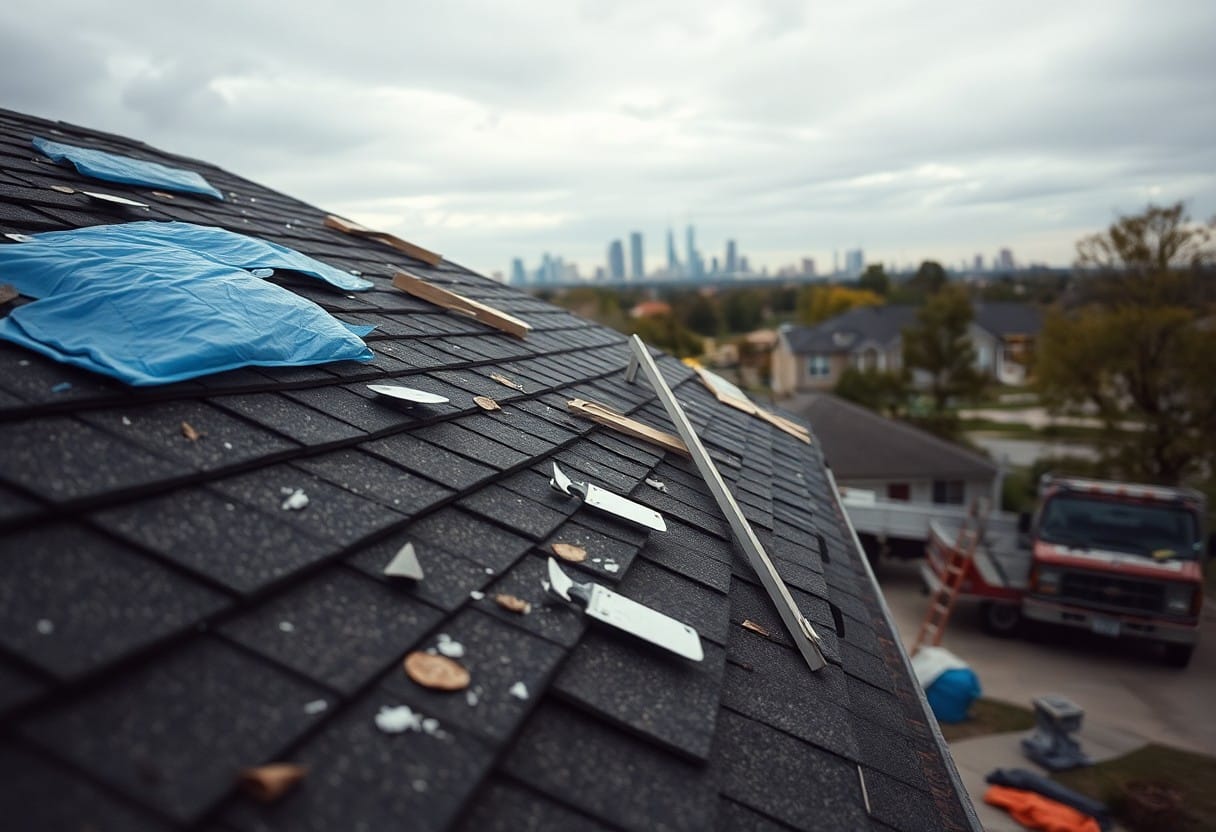
Your journey toward a restored roof begins with a thorough initial inspection. Professional roofers will conduct a detailed assessment to identify the extent of hail damage. This evaluation typically includes checking for dents, cracks, or missing shingles. In some cases, they may even use infrared technology to detect underlying issues that aren’t visible to the naked eye, ensuring a comprehensive understanding of your roof’s condition.
<p.During this inspection, you should expect a systematic approach, often taking anywhere from 30 minutes to an hour, depending on your roof size and complexity. It's crucial to discuss the findings with the technician, as this will guide your next steps. A detailed report can help you better understand what needs fixing, allowing for informed decision-making as you proceed.
Repair Options and Solutions
<p.Once the inspection is complete, you'll be presented with various repair options tailored to your specific needs. Common solutions include partial repairs for isolated damage or full reroofs if the damage is extensive. Each option will be accompanied by estimates and timelines to help you gauge what's best for your situation. A reliable contractor will also provide insights into the materials available, discussing longevity, durability, and potential warranties.
You may also want to explore options such as upgrading to impact-resistant shingles or adding protective coatings to enhance your roof’s resilience against future storms. Consult with your contractor about which choices fit your budget, desired aesthetics, and long-term maintenance plans.
It’s beneficial to consider all repair options presented, understanding the pros and cons of each. Your contractor may recommend eco-friendly materials or innovative techniques that can save you on energy costs while reinforcing your roof’s lifespan. Engaging in this conversation can lead to a more tailored solution that meets both your needs and preferences.
Insurance and Hail Damage
Filing a Claim for Roof Repairs
After assessing the hail damage on your roof, the next step is to file a claim with your insurance company. Start by collecting all necessary documentation, including photos of the damage, your policy information, and the estimate provided by your roofing contractor. Reach out to your insurance agent to initiate the claim process, making sure to ask about specific requirements or deadlines that apply to your policy.
Once your claim is filed, an adjuster from the insurance company will likely inspect your roof. It’s beneficial to have your roofing contractor present during this visit to ensure that all damage is recognized and accurately reported. This collaboration can help facilitate a smoother claims process and ensure that you receive the compensation necessary for repairs.
Understanding Coverage Options
Your insurance policy can dictate how roof repairs are handled after hail damage. Many homeowners are surprised to learn that coverage can vary widely based on the type of policy they hold. Standard homeowners insurance often covers repairs or replacements due to hail damage, but specific exclusions or limits may apply, particularly for older roofs or those not regularly maintained. Familiarizing yourself with your policy’s terms is imperative for navigating potential claims.
Deductibles also play a significant role in what you’ll pay out of pocket for repairs. It’s common for hail damage claims to assume a higher deductible than other types of repairs. You should evaluate whether the cost of repair justifies the deductible and how it aligns with your overall coverage limits. Additionally, some insurers offer endorsements or additional coverage options to enhance your protection against hail damage-reviewing these options may provide further reassurance and financial support during the claims process.
Understanding coverage options means being proactive in assessing your policy details and your roof’s condition. Engaging with your insurance agent and a knowledgeable roofing contractor can clarify what is covered, helping you make informed decisions when filing your claim. Explore the possibility of upgrading your coverage or adjusting your deductible to align with your long-term home protection strategy.
Maintenance After Repairs
Preventative Measures
Once the repairs are complete, taking proactive steps can significantly enhance the longevity of your roof. Investing in high-quality protective coatings can resist further hail damage, while ensuring proper drainage systems prevent water pooling, which can lead to underlying issues. Additionally, consider trimming back any overhanging tree branches that might pose a risk during severe weather, as falling debris can compromise your newly repaired roof.
Incorporating routine maintenance tasks, such as cleaning gutters and downspouts, will ensure that water is diverted effectively away from your roof. By scheduling seasonal inspections, you can identify minor concerns before they escalate into costly repairs. These preventative measures not only protect your investment but also extend its lifespan significantly, providing you with peace of mind.
Regular Inspection Recommendations
Establishing a routine inspection schedule is key to maintaining your roof after repairs. Aim to conduct inspections at least twice a year, ideally in the spring and fall, to check for any signs of wear or damage. During these inspections, pay close attention to shingles, flashing, and seals around vents and chimneys. If you notice any loose or missing materials, address them immediately to avoid further complications.
In addition to your biannual checks, it’s wise to conduct inspections after severe weather events, particularly hail storms. Following such events, examine your roof for dents, cracks, or other visible damage. By being vigilant and proactive, you can mitigate potential issues before they wreak havoc on your home.
Engaging a professional roofing contractor for a yearly inspection can provide an expert overview of your roof’s condition. Their trained eye can spot damage that may go unnoticed and provide recommendations tailored to your specific roofing needs. This investment ensures your roof remains in peak condition and can save you from more extensive repairs in the future.
Conclusion
As a reminder, when seeking a reliable hail repair roof repair company near Allen, TX, you must prioritize quality and expertise in selecting a contractor. Your roof is one of your home’s most significant assets, and ensuring it is restored to excellent condition after hail damage should be your top concern. By choosing a reputable company that provides thorough assessments and professional workmanship, you can safeguard your investment and maintain the integrity of your home.
Additionally, understanding the importance of timely repairs is imperative. Delaying roof repairs can lead to more extensive damage, which could escalate costs in the long run. By taking prompt action and collaborating with experienced professionals in your area, you can ensure that your roofing solution is effective and long-lasting, providing peace of mind for years to come.
FAQ
Q: What types of services do hail repair roof companies near Allen, TX offer?
A: Hail repair roof companies in Allen, TX typically provide services such as roof inspections, damage assessment, roof replacement, emergency repairs, and assistance with insurance claims related to hail damage.
Q: How can I tell if my roof has hail damage?
A: Signs of hail damage may include dents on shingles, granule loss, and visible cracks or holes. A professional inspection can provide a comprehensive assessment.
Q: Will my homeowner’s insurance cover hail damage repair?
A: Most homeowner’s insurance policies cover hail damage, but coverage varies by policy. It’s advisable to review your policy details or consult with your insurance agent for clarification.
Q: How long does it typically take to repair a roof after hail damage?
A: The repair timeline can vary based on the extent of the damage and weather conditions, but most repairs can be completed within a few days to a couple of weeks.
Q: What should I look for when choosing a hail repair roof company in Allen, TX?
A: When dicking out a roof repair company, consider their experience, customer reviews, insurance and warranties, certifications, and commitment to quality and safety standards.