
You may not realize the extent of the damage summer storms can inflict on your roof in Anna, TX, until it’s too late. High winds, heavy rain, and hail can compromise your roof’s integrity, leading to leaks and costly repairs. Conducting a thorough roof inspection after each storm helps identify hidden issues, ensuring your home remains protected and your investment intact. By prioritizing these inspections, you can safeguard your home against potential hazards and avoid more significant damages down the road.
Key Takeaways:
- Summer storms can cause hidden damage to roofs, impacting their integrity.
- Early identification of issues can prevent costly repairs or replacements later.
- Insurance claims may be affected if damage goes unnoticed or unreported.
- Regular inspections enhance the lifespan of the roofing system.
- Professional assessors can identify potential risks that homeowners might overlook.
Understanding Roof Damage
Common Types of Damage from Summer Storms
Summer storms can create a variety of roof damages that might not be immediately visible. Common issues include lifted or missing shingles, which can lead to leaks, and damage to flashing that protects joints and seams. Hail damage, characterized by dents or punctures, can severely compromise the roof’s integrity. Additionally, water pooling due to clogged gutters can cause rotting and mold growth, posing further risks to your home.
| Type of Damage | Description |
|---|---|
| Lifted Shingles | Shingles that have been pushed up by heavy winds, allowing water intrusion. |
| Missing Shingles | Shingles that have completely come off due to storm forces, exposing the underlayer. |
| Hail Damage | Small dents or holes on the roof surface leading to weakened material. |
| Damaged Flashing | Compromised sections around vents, chimneys, or valleys that could lead to leaks. |
| Water Pooling | Stagnant water from clogged gutters causing rot and decay on roofing materials. |
Any signs of these types of damages require immediate attention to prevent more severe issues down the line.
Signs of Roof Damage to Look For
Identifying potential roof damage sooner rather than later can save you significant repair costs. Look for signs such as dark stains on ceilings or walls, peeling paint, or mold growth which could indicate leaks. Additionally, inspect your roof for any visible sagging or misalignment in the structure that could suggest internal damage.
Regular inspections help you catch issues before they escalate. When checking your roof, ensure gutters are clear, and watch for granules from shingles collecting in downspouts, signaling wear and tear.
Importance of Regular Roof Inspections
Preventative Measures and Cost Savings
Investing in regular roof inspections allows you to identify minor issues before they escalate into major repairs. For instance, a small leak can evolve into extensive water damage, mold growth, and compromised structural integrity if left unaddressed. By scheduling inspections after summer storms, you can often catch these problems early on, saving thousands in future restoration costs. According to the National Roofing Contractors Association, proactive maintenance can extend your roof’s lifespan by up to 50%.
Additionally, many home insurance policies offer premium discounts for well-maintained roofs. If you can demonstrate that you’ve conducted regular inspections and addressed any emerging concerns, you’re less likely to face increased rates or denied claims during an insurance examination. This not only solidifies your financial situation but also enhances your roof’s performance against severe weather.
Maintaining Home Value and Safety
Your roof is a significant component of your home’s overall value and safety. Potential buyers often view a well-maintained roof as a red flag against hidden repair costs. By keeping your roof in good shape through regular inspections, you ensure your property retains its market value and makes a positive impression on prospective buyers. Moreover, a healthy roof protects your internal structures, which safeguards your investment in the long run.
Beyond financial implications, consider the safety aspect. A compromised roof can lead to leaks and structural hazards, posing risks to you and your family. In 2020 alone, roof-related accidents accounted for over 50,000 injuries in the United States. Regular inspections not only prevent these potential dangers but also provide peace of mind that your home is a safe place to live.
Taking proactive measures with regular roof inspections directly correlates to the well-being of your home’s structure and your family’s safety. A sound roof keeps out the elements, reduces maintenance costs, and elevates your home’s resale potential. Prioritizing roof inspections demonstrates your commitment to safeguarding both your financial investment and your loved ones’ security.
The Roof Inspection Process
What to Expect During an Inspection
During a roof inspection, expect a comprehensive assessment focused on identifying potential vulnerabilities. Professionals will examine the entire roof, including shingles, flashing, gutters, and underlayments, often using a checklist to ensure no aspect is overlooked. They will also assess the attic for signs of leaks, water damage, or inadequate ventilation, which directly impact the roof’s longevity and functionality.
As the inspection proceeds, you may be informed of any visible damage such as missing shingles, granule loss, or signs of moss or algae growth. An inspector might take photographs to document issues and help you visualize the necessary repairs. This thorough examination ensures you gain a full understanding of your roof’s condition and what maintenance or repairs may be required moving forward.
Tools and Techniques Used by Professionals
Inspectors utilize a variety of specialized tools to perform a detailed review of your roof’s condition. Common tools include ladders for access, moisture meters to detect hidden leaks, and infrared cameras to identify temperature variations indicative of potential problems. Some professionals may even deploy drones for high or complex roofs, providing a bird’s-eye view without risking safety.
In addition to traditional hands-on inspections, the use of advanced technology enhances the accuracy of their assessments. For example, thermal imaging can reveal moisture trapped beneath the surface, which may not be visible to the naked eye. Laser measuring tools offer precise dimensions for estimating repair costs accurately, thus ensuring efficiency and thoroughness in the evaluation process.
The integration of these modern techniques and tools ensures that no detail is missed, allowing inspectors to provide you with a detailed report that outlines both immediate and long-term needs for your roofing system. This level of professionalism optimally prepares you to make informed decisions regarding repairs or replacements, safeguarding your home against future storm damage.
Post-Storm Inspection Timing
Ideal Timeline for Inspections
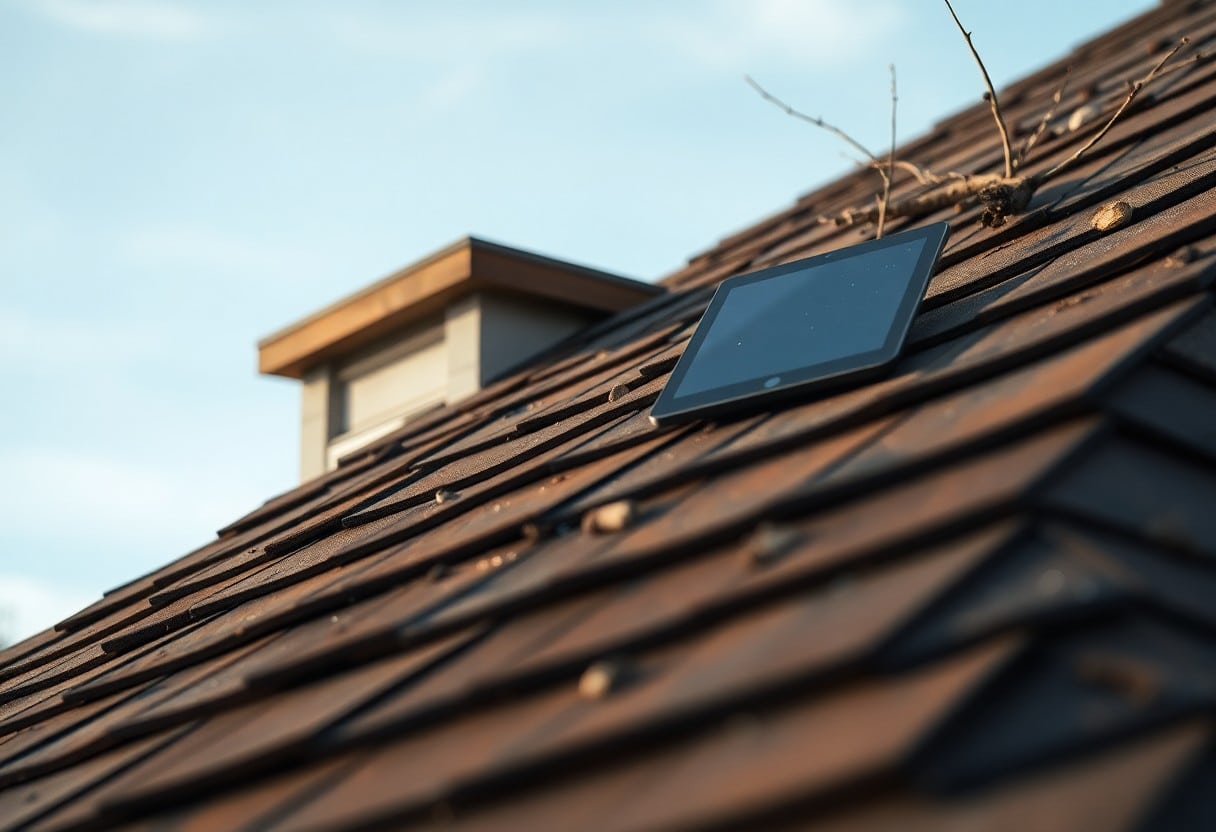
After a summer storm, it’s imperative to conduct a roof inspection as soon as possible. Ideally, you should schedule your inspection within 24 to 48 hours after the storm has passed. This prompt action enables you to assess any immediate damage before it worsens and takes advantage of lighter weather conditions for safe evaluation. Additionally, addressing issues early can prevent further complications, including leaks or structural damage.
Delaying the inspection can lead to extensive problems that may require costly repairs. For example, if minor leaks are not discovered promptly, they can result in mold growth, rot, and structural weaknesses. Your roof is your first line of defense against the elements; ensuring its integrity right after a storm can save you significant stress and expense down the road.
Factors Influencing Inspection Needs
Several factors determine how urgently you need a roof inspection after a storm. The severity of the storm, including wind speeds and precipitation levels, plays a vital role; a minor rain shower might not necessitate immediate action, while hurricane-force winds can rip off shingles and jeopardize your roof’s integrity. Local weather reports and damage assessments can help inform your decision on timing.
Additional elements such as the age of your roof, prior storm damage history, and the construction materials used can also influence inspection urgency. A newer roof installed with high-quality materials may withstand severe weather better than an aging roof, making the need for inspection less immediate. Conversely, older roofs or those previously damaged will likely require closer scrutiny following a storm.
- Severity and type of storm experienced.
- Your roof’s age and previous condition.
- Local weather conditions that could exacerbate damage.
Recognizing these factors will help you prioritize inspections and ensure your home remains safe and sound. A thorough understanding of what affects your roof’s durability can guide timely and informed decisions.
- Regular maintenance and prior inspections.
- Materials and construction style of your roof.
- Local building codes and regulations.
Recognizing how these elements interconnect can empower you to take proactive steps, safeguarding your investment against future weather-related threats. Understanding the specifics of your roof’s construction and history will enhance your ability to address any emerging issues quickly.

Choosing the Right Roofing Professional
Credentials and Experience to Look For
Your choice of a roofing professional can significantly impact the quality of the inspection and any subsequent repairs. Seek out contractors who hold relevant licenses and certifications that confirm their adherence to local regulations and industry standards. For example, in Texas, a valid contractor’s license and insurance coverage are important to protect you from possible liabilities. Also, look for experience: professionals with at least five years in the industry are more likely to have dealt with a variety of storm-related issues and can better identify potential problems.
Additionally, reviewing contractors’ portfolios or case studies can provide insight into their expertise. Quality roofing professionals should be able to showcase past projects, particularly those that involved storm damage repairs. Online reviews and references can be invaluable as well, offering real feedback from previous clients about their satisfaction levels and the contractor’s reliability.
Questions to Ask Before Hiring
Engaging the right roofing professional begins with asking the right questions. Inquire about their experience specifically with storm damage assessments, as this will ensure they understand the unique challenges presented by incidents common in Anna, TX. Be sure to ask about their inspection process; a thorough contractor should describe the steps they take, including how they assess not just visible damage, but also underlying issues that may not be immediately apparent.
Also, clarity around warranty policies is vital. Establish what warranties they offer on both labor and materials and confirm if they are backed by manufacturers. This helps protect your investment and ensures that you have recourse should any issues arise post-repair. Moreover, don’t hesitate to inquire about their approach to communicating with clients throughout the process, as good communication is key to a smooth project.
Final Words
Upon reflecting on the impact of summer storms in Anna, TX, it becomes evident that investing in a thorough roof inspection is a wise decision for any homeowner. The intense winds, heavy rains, and hail can leave your roof vulnerable to damage that may not be immediately visible. By ensuring your roof is inspected promptly after these weather events, you protect your home from potential leaks, structural issues, and costly repairs down the line. You gain peace of mind, knowing your roof is in optimal condition to withstand future storms.
In addition, proactive roof inspections allow you to address minor issues before they escalate into significant problems. If you turn a blind eye to potential damage, it could lead to further risks, including mold and compromised energy efficiency. Scheduling regular inspections after summer storms not only safeguards your investment but also enhances the longevity of your roof. Ultimately, prioritizing these inspections ensures that your home remains safe and secure for years to come.
FAQ
Q: Why is it important to get a roof inspection after summer storms in Anna, TX?
A: Roof inspections after summer storms can identify hidden damage caused by high winds, hail, or heavy rain. Small issues can quickly escalate into major problems if not addressed promptly.
Q: What common roof damages occur during summer storms?
A: Common damages include missing shingles, leaks, dented metal roofing, and compromised flashing. These issues can weaken the roof’s integrity and lead to further water damage inside the home.
Q: How often should roof inspections be conducted after severe weather events?
A: It is recommended to conduct a roof inspection immediately after severe weather and then annually. This helps catch any damage early and ensures the roof remains in good condition.
Q: Can homeowners perform their own roof inspections after a storm?
A: Homeowners can check for obvious signs of damage from the ground, but a professional inspection is advised for a thorough evaluation. Professionals have the expertise to detect problems that may not be visible to the untrained eye.
Q: What are the benefits of having a professional roof inspection after a storm?
A: Professional roof inspections provide a comprehensive assessment of the roof’s condition, documenting any damage. This can be valuable for insurance claims and helps ensure all issues are addressed effectively.