
With winter fast approaching, it’s crucial to assess the condition of your roof to ensure it can withstand the seasonal challenges ahead. Ignoring signs of wear and potential damage may lead to costly repairs and compromised safety. By identifying issues early, you can safeguard your home and your family from harsh weather conditions. This guide will help you recognize the key indicators that your Plano roof needs replacement before winter arrives.
Key Takeaways:
- Visible sagging or dips in the roof indicate structural issues that can worsen in winter.
- Cracked, missing, or curling shingles are clear indicators that replacement is necessary.
- Dark spots or streaks might signal underlying moisture damage needing immediate attention.
- Increased energy bills may result from poor insulation or ventilation related to roofing problems.
- Frequent leaks, even small ones, can exacerbate damage during colder months and require prompt evaluation.
Common Signs of Roof Damage
Missing or Damaged Shingles
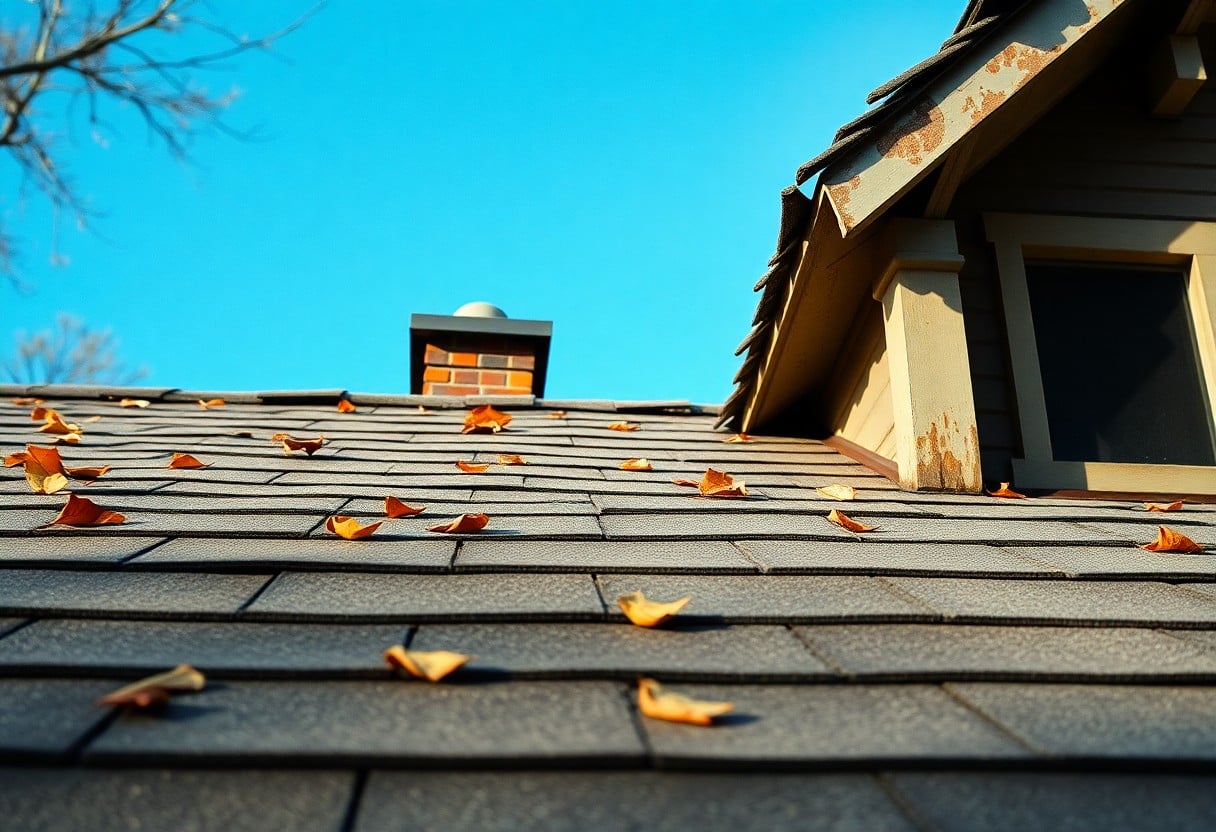
One of the most evident signs that your roof may need replacement is the presence of missing or damaged shingles. When shingles become loose, cracked, or entirely absent, they expose your roof’s underlying structure to the elements. Over time, this can lead to significant water damage and structural weakness. In regions like Plano, which experience harsh weather conditions, it’s vital to inspect your roof regularly for these issues.
If you notice a cluster of damaged shingles in one area, it might indicate that your roof is nearing the end of its lifespan. Be proactive; replacing damaged shingles may offer a temporary fix, but extensive shingle damage often signals the need for a full roof replacement.
Leaks and Water Stains
Leaks and water stains on your ceiling or walls are immediate red flags. These stains, often brown or yellow, indicate that water is penetrating your roofing system, sometimes leading to internal structural damage. Regular inspections of your attic or upper rooms can help you catch these signs early. If you see water stains, it suggests that moisture is accumulating, which can lead to mold growth and compromise your home’s safety.
Pay attention to any recent water stains, particularly after heavy rains. If they appear or expand, it’s important to investigate further. A professional assessment can help determine if the leaks are due to worn materials, faulty flashing, or even ventilation issues. Addressing these problems swiftly can prevent larger, more costly repairs down the line.
Leaks should never be ignored, as they can lead to severe consequences for your home. If left untreated, you might face extensive water damage, rotting wood, and mold growth, which pose significant health risks and additional repair costs. Ensure your home is protected by inspecting for leaks regularly and seeking professional help when necessary.
Aged Roofing Materials
Lifespan of Different Roofing Types
The longevity of roofing materials varies significantly, impacting your decision when considering a replacement. Asphalt shingles typically last 15 to 30 years, while metal roofs can endure upwards of 40 to 70 years, depending on the material. Tile roofs have a lifespan of 50 years or more, making them a durable option, whereas wood shakes generally last between 20 to 40 years, provided they are well maintained.
In addition to the material itself, environmental factors such as weather conditions and maintenance play a pivotal role in the lifespan of your roof. For instance, roofs in areas prone to severe weather may require earlier replacement. Knowing the expected lifespan of your current roofing type helps you plan for future needs and budget accordingly.
- Asphalt Shingles: 15-30 years
- Metal Roofs: 40-70 years
- Tile Roofs: 50+ years
- Wood Shakes: 20-40 years
- Flat Roofs: 10-20 years
This knowledge leads to informed decisions about repairs versus full replacement.
Discoloration and Mold Growth
Discoloration on your roof can signal serious underlying issues. When you notice dark streaks or patches, it may indicate mold, algae, or lichen growth, which can compromise the integrity of your roofing materials. These growths thrive in humid conditions and can spread quickly, leading to further damage if left unattended. Additionally, discoloration not only decreases your home’s curb appeal but can also point to moisture retention, which raises concerns about leaks and overall roof performance.
Early detection of mold and discoloration is vital. If your roof has an overall dull or uneven appearance, it is often a precursor to more serious damage. Regular inspections can help mitigate long-term repercussions, so addressing these aesthetic issues promptly is imperative for maintaining the health of your roof and preventing costly repairs in the future.
Inspections and Assessments
Importance of Regular Roof Inspections
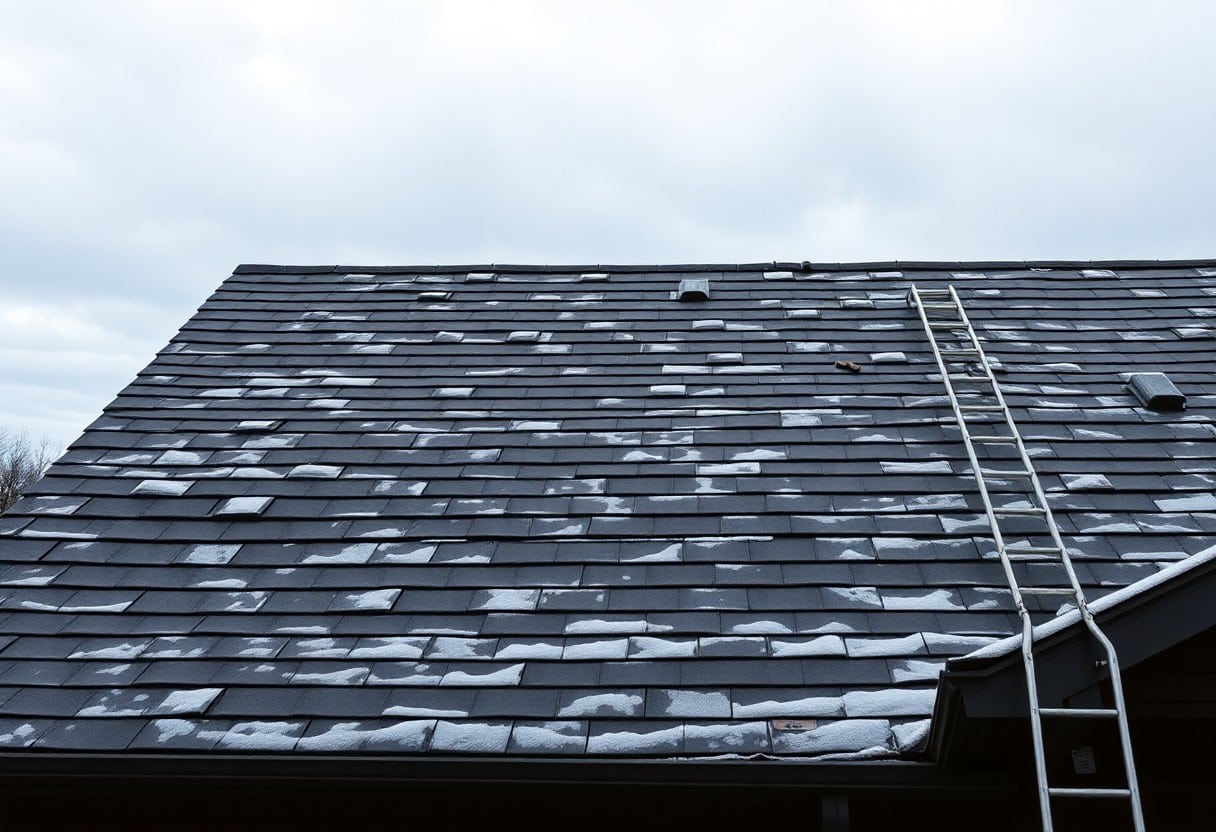
Your roof faces a barrage of weather elements year-round, making regular inspections crucial in maintaining its integrity. Studies show that roofs that undergo annual inspections can last up to 20% longer than those that don’t receive consistent evaluation. By identifying potential leaks, cracks, or weakened shingles early, you can avoid costly repairs or an entire roof replacement later on. Inspecting your roof before winter gives you a chance to address any wear and tear, ensuring that it can withstand the heavy snow and ice commonly experienced in colder months.
<pAdditionally, conducting regular inspections helps you stay informed about the health of your roofing materials. Aging shingles may exhibit granule loss, which diminishes weather resistance and can lead to leaks. If left unaddressed, these issues can escalate, resulting in damage that affects the underlying structure of your home. Scheduling a professional inspection regularly can keep your roof in optimal condition as seasons change.
Professional vs. DIY Inspections
<pWhile do-it-yourself inspections may seem appealing, they can lead to overlooked issues due to inexperience. Professionals bring a trained eye and the right tools to detect problems that might not be visible to the untrained observer. They can accurately assess your roof's condition, including hidden elements like flashing and attic insulation, which are critical for overall roof performance. Hiring a professional can provide you with a comprehensive report and actionable insights about necessary repairs.
<pOn the other hand, a DIY inspection can help you familiarize yourself with your roof's condition and catch obvious issues like missing shingles or debris accumulation. If you decide to inspect your roof yourself, ensure you take necessary safety precautions, use a stable ladder, and thoroughly document any findings for future reference. This way, you can still play an active role in maintaining your roof, while also recognizing when it's time to call in the experts.
Consequences of Delayed Replacement
Increased Repair Costs
When you postpone replacing your roof, the inevitable wear and tear can lead to severe structural damage. Water leaks from a failing roof can seep into insulation, walls, and ceilings, necessitating expensive repairs far beyond just the roof itself. Studies show that homeowners who delay roof replacement may incur repair costs exceeding 20% of the home’s value in damage due to leaks and mold. By the time you address the roof, the financial burden has multiplied, making a proactive replacement far more economical.
Additionally, issues such as rotting wood and damaged roofing structures can arise from neglect. For instance, if shingles are curling or missing, it creates a direct pathway for moisture. A single leak can escalate quickly, resulting in damage to electrical systems, your HVAC unit, or even foundation issues. Thus, the longer you wait, the more you’ll end up paying for repairs that could have been minimized or avoided entirely.
Impact on Home’s Value
Your home’s roof significantly influences its value. A new roof can increase your home’s resale value by approximately 15%, while a damaged roof can deter potential buyers or lead them to negotiate aggressively on the price. As buyers often factor in the cost of necessary repairs, a roof in disrepair can be a red flag, suggesting deeper underlying issues. A neglected roof not only affects marketability but could also delay selling until you address critical repairs, costing you valuable time and money.
In cases where homes are listed with visible roofing issues, buyers may perceive them as a liability rather than an asset. Obtaining a professional roofing inspection can help quantify the roof’s condition and provide you with leverage when negotiating a sale. Investing in a roof replacement before winter not only protects your investment but also enhances its perceived equity in the housing market.
Preparing for Roof Replacement
Selecting a Reputable Contractor
Pertaining to selecting a contractor for your roof replacement, thorough research is paramount. Start by seeking recommendations from friends and family, and utilize online platforms to read reviews and ratings. Verify that the contractor is licensed and insured, as this protects you against potential liabilities. Look for companies with a strong local presence and established track records, as their reputation will often provide insight into the quality of their work. Request multiple quotes and take the time to ask about their experience, warranty options, and the materials they use to ensure they align with your expectations.
Quality workmanship is as important as the materials used. Take the initiative to ask for references and follow up to understand the contractor’s performance on past projects. A reputable contractor will be more than willing to provide this information and discuss their processes transparently. Be cautious of any contractors who pressure you for immediate decisions, as this could indicate a red flag regarding their reliability and integrity.
Timing Your Replacement
The timing of your roof replacement can significantly impact the overall success and longevity of the new installation. Ideally, aim for a replacement during the late summer to early fall months. This window generally offers favorable weather conditions with less rain and moderate temperatures, allowing for efficient installation and curing times for materials. Additionally, planning the replacement before winter hits ensures your home is adequately protected from freezing temperatures and potential snow damage.
Be mindful of the fact that scheduling your project during peak seasons can result in higher costs and limited contractor availability. If possible, discuss flexible timing options with your chosen contractor to find a suitable schedule that balances your home needs with their workload. By strategically planning, you can avoid winter-related complications and ensure a smoother process overall.
The right time for roof replacement not only hinges on the weather, but also on your personal circumstances. If your roof shows significant signs of damage, addressing the issue sooner rather than later is prudent. A proactive approach can prevent imminent leaks or structural issues during harsh winter conditions, saving you from potentially costly repairs.
Alternatives to Roof Replacement
Repair Options
Your roof may not always need a full replacement, as various repair options can extend its lifespan significantly. Minor issues such as missing shingles, small leaks, or damaged flashing can often be rectified quickly and effectively. Engaging a professional to assess and perform these specific repairs can save you money compared to the hefty costs of replacement. Studies show that timely repairs can boost your roof’s longevity by several years, allowing you to defer replacement until it’s truly necessary.
<pAdditionally, many roofing materials can be patched or repaired without needing extensive demolition. For instance, asphalt shingles can be replaced individually, while metal roofs might require just an isolated repair. Documenting these repairs can also enhance your home's resale value, as prospective buyers appreciate a well-maintained roof.
Roof Coatings and Treatments
Applying roof coatings or treatments can also help mitigate issues without the expense of a full replacement. These coatings act as a protective layer, sealing leaks and adding UV resistance to your roof. They can be particularly beneficial for flat or low-slope roofs where pooling water is a concern. Some products even claim to extend the life of your roofing system by up to 10 years when applied correctly.
<pIn addition to extending roof life, coatings can improve energy efficiency by reflecting sunlight, reducing your energy bills during the warmer months. Popular options include elastomeric coatings, which provide flexibility and durability, and silicone-based coatings that offer excellent waterproofing properties. When choosing a coating, consider factors such as your roof type, local climate, and specific vulnerabilities that need addressing.
To wrap up
On the whole, being proactive about your Plano roof’s condition can save you from significant issues when winter arrives. If you notice signs like missing shingles, leaks, or excessive granule loss, it is crucial to act promptly. Assessing the integrity of your roofing system now can prevent the harsh weather from exacerbating existing problems and leading to costly repairs down the line.
Taking these observations seriously not only helps maintain your home’s value but also ensures the safety and comfort of your living environment during the colder months. If you suspect that your roof may need replacement, it is wise to consult with roofing professionals who can evaluate the situation comprehensively. By addressing any concerns before winter hits, you can rest assured that your home is well-prepared for whatever the season brings.
FAQ
Q: What are the main signs that indicate my Plano roof needs replacement before winter?
A: Key indicators include missing or damaged shingles, leaks, sagging areas, excessive granule loss, and visible wear and tear. Identifying these signs early can prevent further damage during winter months.
Q: How can I assess the condition of my roof without climbing up?
A: You can check from the ground for any sagging, curling, or missing shingles. Use binoculars to get a closer look at the roof surface and inspect for granule loss in gutters or on the ground.
Q: How often should I inspect my roof to catch issues early?
A: Conduct a thorough inspection at least twice a year, ideally in spring and fall. Seasonal inspections help identify potential problems before they worsen, especially before winter sets in.
Q: What should I do if I find signs of roof damage?
A: If you notice any signs of damage, contact a professional roofing contractor for a detailed inspection. They can assess the extent of the damage and recommend whether a repair or full replacement is necessary.
Q: Is it worth replacing an old roof before winter if it hasn’t leaked yet?
A: Yes, replacing an old roof before winter is advisable even without leaks. An aging roof can fail under snow or ice, leading to severe problems. Proactive replacement minimizes risks and protects your home.